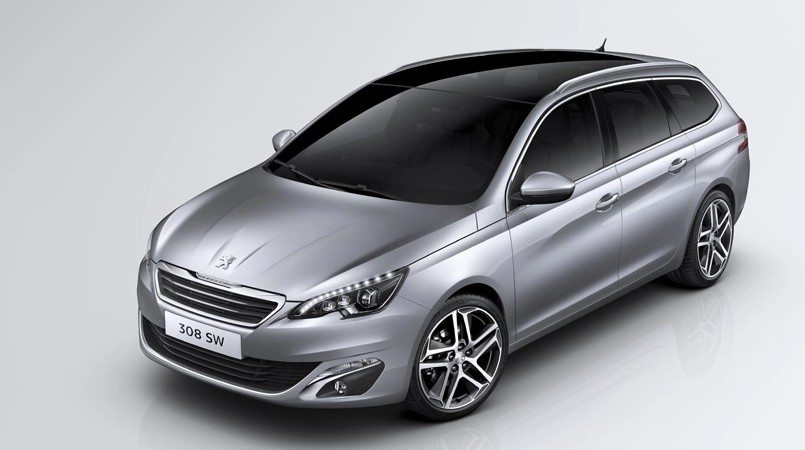
Peugeot 308 (2nd Generation, 2013 - 2021)
The second-generation Peugeot 308 is a compact hatchback introduced in 2013 as a complete redesign of its predecessor. Built on PSA’s modern EMP2 platform, it focused on weight reduction, improved efficiency, and a more premium driving experience. The 308 II marked Peugeot’s move toward minimalist interior design, high-quality materials, and advanced technologies. A facelift was introduced in 2017, updating its exterior styling and adding modern driver-assistance systems.
General Information
- Manufacturer: Peugeot (PSA Group)
- Model: Peugeot 308 (2nd generation)
- Production years: 2013 – 2021
- Assembly locations: France (Sochaux), Spain (Vigo), Argentina
- Vehicle class: Compact car (C-segment)
- Body styles: 5-door hatchback, station wagon (SW)
- Platform: EMP2 (Efficient Modular Platform 2)
Technical Specifications
Engines & Performance
- Engine types: Inline-3 and Inline-4 petrol and diesel engines
- Petrol engines: 1.2 PureTech (82–130 hp), 1.6 THP turbo (125–270 hp for GTi)
- Diesel engines: 1.5 BlueHDi (100–130 hp), 1.6 HDi/BlueHDi (92–120 hp), 2.0 BlueHDi (150–180 hp)
- Transmission: 5-speed manual, 6-speed manual, 6-speed automatic (EAT6), or 8-speed automatic (EAT8 on facelift models)
- Drive type: Front-wheel drive (FWD)
- Top speed: 180 – 250 km/h depending on version
Chassis, Suspension & Brakes
- Front suspension: MacPherson strut
- Rear suspension: Torsion beam axle
- Brakes: Ventilated front discs and solid rear discs
- Steering: Electric power-assisted
Dimensions & Weight
- Wheelbase: 2,620 mm
- Length: 4,253 mm (hatchback) / 4,585 mm (SW)
- Width: 1,804 mm
- Height: 1,457 mm
- Curb weight: 1,090 – 1,400 kg
- Fuel tank capacity: 53 liters (hatchback)
Interior & Features
- Seating capacity: 5
- Dashboard design: Peugeot i-Cockpit layout with small steering wheel and high-mounted instrument cluster
- Infotainment: 9.7” touchscreen display with navigation, Apple CarPlay, Android Auto (post-facelift)
- Climate control: Manual or dual-zone automatic
- Safety systems: ABS, ESP, multiple airbags, adaptive cruise control, lane departure warning (facelift models)
- Lighting: Halogen or full LED headlights (facelift)
Overview & Character
The 308 II represented a major leap forward for Peugeot in design, technology, and quality. Its minimalist interior, strong efficiency, and composed handling made it one of the most refined hatchbacks in its class. The car’s light weight and advanced engines contributed to low fuel consumption and strong performance, especially in the GT and GTi variants.
2017 Facelift (Peugeot 308 Phase II)
- Updated front fascia with new grille, LED headlights, and redesigned bumpers
- New infotainment system with faster response and smartphone integration
- Upgraded diesel engines (1.5 BlueHDi replacing 1.6 HDi)
- Introduction of new 8-speed EAT8 automatic transmission
- Enhanced driver-assistance features: adaptive cruise control, lane assist, automatic emergency braking, traffic sign recognition
- Minor interior trim improvements and updated digital displays
Performance Variants
- 308 GT – 1.6 THP 205 hp petrol or 2.0 BlueHDi 180 hp diesel
- 308 GTi by Peugeot Sport – 1.6 THP 270 hp, 0–100 km/h in 6.0 s
- 308 SW GT – Sporty estate version with upgraded suspension and features
Pros & Cons
- + Premium-quality interior and minimalist i-Cockpit design
- + Excellent fuel efficiency and low emissions
- + Comfortable yet agile driving dynamics
- + Strong safety and tech features after facelift
- – Touchscreen controls for climate and audio can be distracting
- – Rear seat space slightly limited
- – Some infotainment lag in early models
